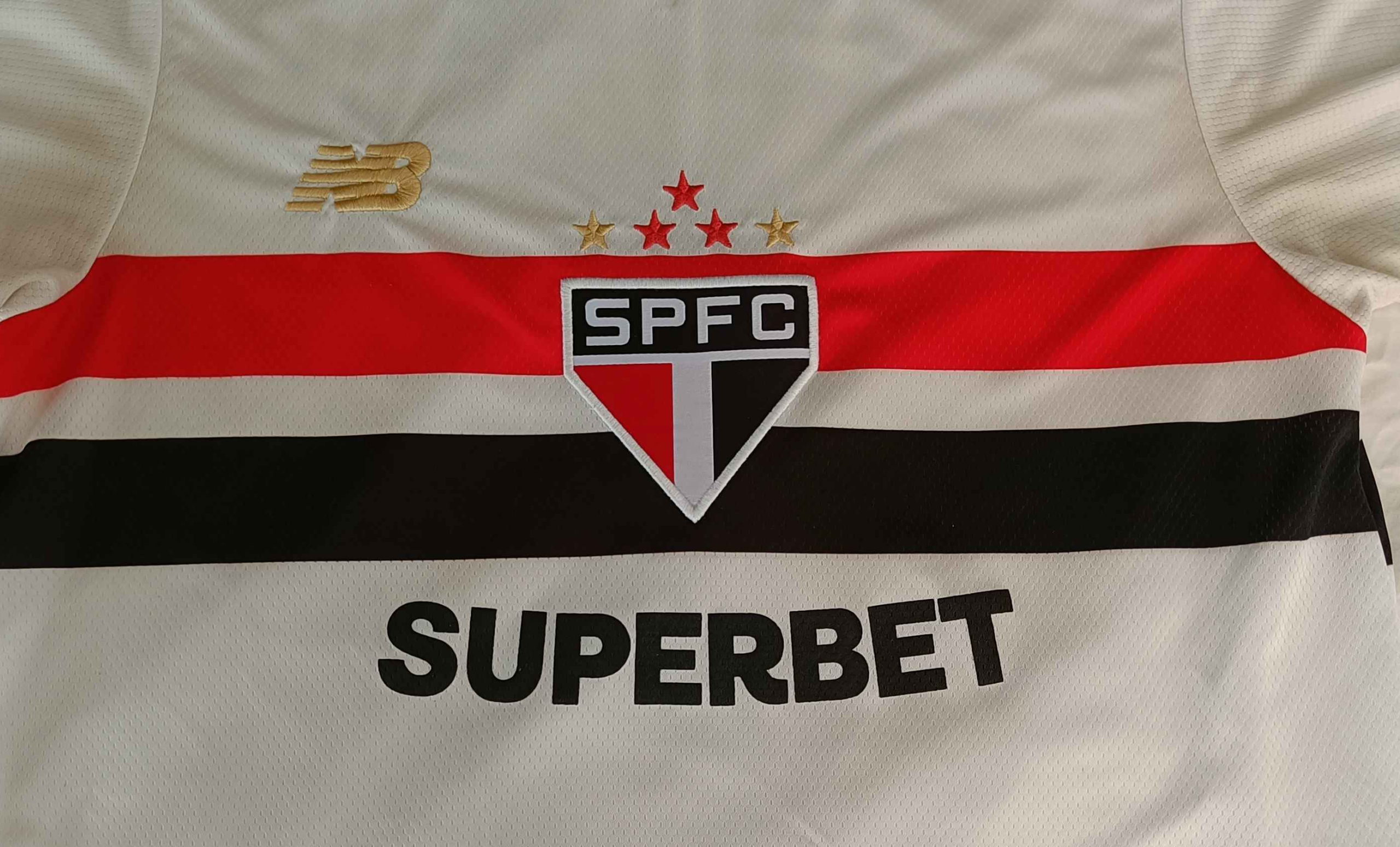
What’s up, everybody! In today’s A Dica do Dia, we’re going to talk about one of the biggest names in Brazilian football: São Paulo FC.
Why do so many people consider São Paulo one of the greatest clubs in Brazil? Is it the trophies? The legends? The stadium? The pressure? The identity?
The answer is all of that together.
São Paulo FC is more than just a football team. It is one of the strongest symbols of Brazilian football culture, especially in the city of São Paulo, where the sport is lived with intensity, pride, and emotion. Let’s take a closer look at the story of Brazil’s Tricolor Paulista.
São Paulo FC is one of the most important football clubs in Brazil and one of the strongest sporting symbols of the city of São Paulo. Officially called São Paulo Futebol Clube, the team is widely known by the abbreviation SPFC and by the nickname Tricolor Paulista, a reference to both its three colors and its connection to the state of São Paulo. When people talk about giants of Brazilian football, São Paulo FC is always part of that conversation.
The club comes from the city of São Paulo, the largest urban center in Brazil, and its importance goes far beyond the pitch. SPFC represents ambition, prestige, and a long tradition of success in Brazilian and international football.
Inside this history, a few quick facts help define the club immediately. São Paulo Futebol Clube was founded on January 25, 1930. It is based in São Paulo and plays in the famous Morumbi Stadium, and is known for its classic red, white, and black colors. These colors gave rise to the nickname Tricolor Paulista, which remains one of the most recognized identities in Brazilian football.

Another reason the club is so well known is the number of legendary figures connected to it. Great players, memorable coaches, and historic squads helped turn São Paulo FC into a name that football fans across Brazil and beyond learned to admire. The club has produced heroes, dramatic stories, and generations of supporters who treat the badge with deep emotion.
That is why São Paulo FC is not just big in São Paulo. It is one of the strongest and most recognizable names in all of Brazilian football.
The story of São Paulo FC begins with ambition. From the start, this was never meant to be an ordinary club. The most important thing to understand about the history of São Paulo FC is that the team was born with the weight of a giant city behind it and with the idea that it should represent greatness, seriousness, and competitive pride.
São Paulo Futebol Clube was founded on January 25, 1930, in the city of São Paulo. Its origins are linked to older football traditions in the city, born from the union between Associação Atlética das Palmeiras and a large part of the players and some members of the board of directors of Club Athletico Paulistano, the club with the most São Paulo state championships of that era. What emerged was not just another team, but a project that already carried prestige and expectation. From the beginning, São Paulo had the image of a club that wanted to matter.
The road was not perfectly smooth. In its early years, the club faced difficulties and went through a reorganization in the 1930s. At that time, some club directors were unhappy with the direction of football in Brazil. Because of that, they decided to merge the club with Clube de Regatas Tietê, effectively bringing the football department to an end. But not everyone accepted that decision quietly.
Another group went to court and argued that the board had no right to merge the Tricolor with Tietê without first hearing from the members. Even though they initially won the legal argument, the final decision still depended on a general assembly.
There was one big problem: according to the club’s rules at the time, only the founding members could take part in that assembly. Since most of them were aligned with the board, the merger was approved on May 14, 1935. On that rainy day, the football department was officially extinguished and removed from the APEA. The administrative side of the club was absorbed into Clube de Regatas Tietê, creating Tietê-São Paulo. Although Tietê took over the physical assets, it was not allowed to use São Paulo’s colors, uniforms, or symbols.
But that was not the end.
A group of former members and supporters, unhappy with what had happened, refused to let the team disappear. On June 4, 1935, they founded Clube Atlético São Paulo as a way of restoring the football project. A few months later, on December 16, 1935, São Paulo Futebol Clube officially re-emerged.
After so many obstacles, interruptions, and rebirths, the club earned one of its most emotional nicknames: Clube da Fé (Club of faith). The expression captured perfectly what São Paulo had become: a club that survived because people believed in it even when everything seemed lost. That chapter became part of what makes the club’s story so powerful. Instead of disappearing, São Paulo FC came back stronger, more determined, and more clearly shaped by ambition.
As the decades passed, the club grew into one of the major powers of Brazilian football. The club did not become a giant only because of titles. It became a giant because it learned how to carry pressure and turn expectation into identity.
The rise of São Paulo FC did not happen in one single moment. It was built across different eras, each one adding more prestige, more memory, and more force to the badge. Some periods established the club’s character. Others confirmed its power. Together, they turned São Paulo FC into one of the most feared names in Brazil and South America.
The first major era was the one that solidified the club as a serious institution with elite ambitions. In those early decades, São Paulo FC built the foundation of its identity: competitive, proud, and always demanding more of itself. It stopped being just a promising team from a giant city and began to look like a club meant for the top level of Brazilian football.
Then came the periods in which prestige turned into true authority. Strong squads, growing consistency, and big-match mentality helped the club move from respected to feared. In the 1980s, with the so-called “Menudos do Morumbi,” São Paulo became a two-time Brazilian champion and a two-time Paulista champion.
Some eras stood out because they combined results with identity. The 1990s consolidated São Paulo FC as the force it is today, especially the legendary São Paulo of Telê Santana, one of the greatest Brazilian coaches in history. During this period, São Paulo not only won another Brazilian championship, but also became champion of the Copa Libertadores and the Club World Cup in consecutive years.
And the last great era was the mid-2000s. In a feat that remains unprecedented to this day, São Paulo won three consecutive Brazilian championships, in 2006, 2007, and 2008 and also its iconic third Libertadores and third Club World Cup (a feat that only São Paulo has achieved in Brazil) in 2005.
The greatness of São Paulo FC is written in trophies. The club built its legacy through both domestic success and international glory, becoming one of the most admired institutions in Brazilian football. In Brazil, São Paulo won important state and national titles, helping establish itself as one of the country’s elite clubs.
Among the biggest milestones are the club’s triumphs in the Copa Libertadores. Any discussion of the Libertadores da América immediately brings up the team’s place among South America’s elite. Winning the Libertadores is one of the hardest achievements in football on the continent, and São Paulo FC made those victories part of its identity. These were not ordinary titles. They were moments that showed the club could face the strongest opponents in South America and come out on top.
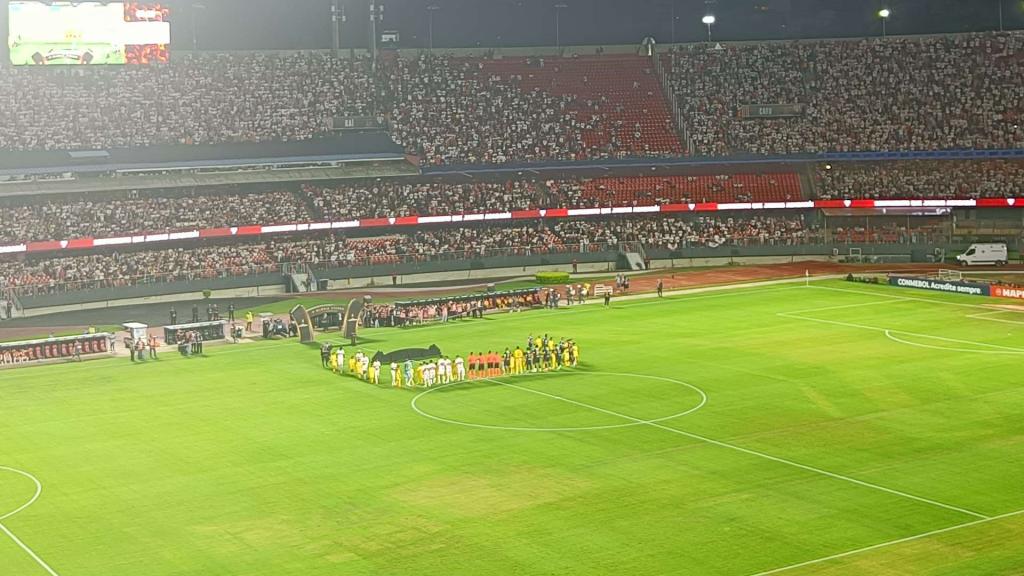
These trophies are not just statistics for supporters. Each one is remembered through emotion: the pressure before kickoff, the heroes of the campaign, and the celebration at the final whistle. That is why São Paulo FC’s achievements still mean so much to its fans today.
São Paulo is the only team in Brazil to have won every competition a Brazilian club can compete in. This prestige earned the club the nickname “champion of everything,” not just once, but through multiple major titles.
| Competition | Titles | Notes |
| Copa Libertadores | 3 | 1992, 1993, 2005. |
| World Titles | 3 | 1992, 1993 (Intercontinental), 2005 (FIFA Club World Cup). |
| Brasileirão | 6 | Includes the famous “Three-peat” (2006, 2007, 2008). |
| Copa do Brasil | 1 | 2023. This was the “missing” trophy until Lucas Moura’s return. |
| Campeonato Paulista | 22 | Solidifying that “Paulista” dominance mentioned. |
No club becomes a giant through trophies alone. Titles matter, of course, but what truly gives a team its soul are the people who transform victories into memories and shirts into symbols. That is especially true of São Paulo FC. The club’s history is filled with players, leaders, and icons who helped define what the badge means.
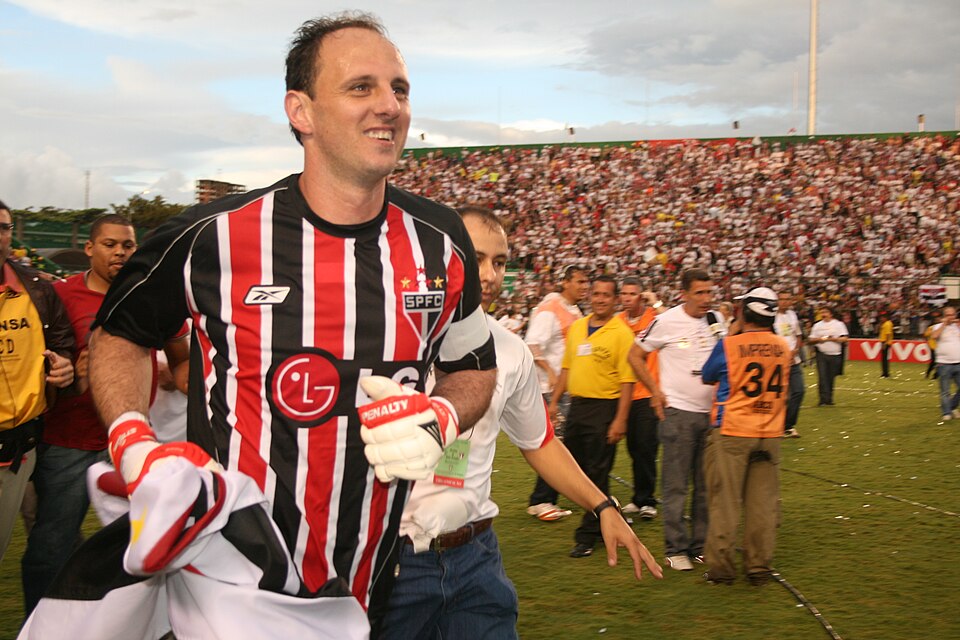
The answer is not just one name. It is a gallery of legends. Some were elegant, some were fierce, some were born to decide finals, and some became immortal because they carried the emotional weight of the club in unforgettable moments. Together, they explain why discussions about the São Paulo FC best players ever are so passionate. These figures are not remembered only because they played well. They are remembered because they became part of the club’s identity.
No one represents São Paulo FC more completely than Rogério Ceni. For many fans, he is not just a great player but the ultimate symbol of the club.
His bond with São Paulo FC was built on loyalty, leadership, and longevity. But he became much more than a goalkeeper in the club’s memory. He was voice, discipline, courage, and an obsession with excellence. His goals only made the legend even bigger, turning him into a unique figure in football history.
That is why Ceni feels eternal. He became the image of what SPFC wants to be: proud, demanding, competitive, and unforgettable.
If Ceni is the guardian of São Paulo FC, Raí is one of its most elegant souls. When fans think of Raí, they think of class, intelligence, leadership, and glory.
Raí had quiet authority. He made the team feel more organized, refined, and dangerous. More than a winner, he became the face of one of the club’s most admired eras. He did not just play for São Paulo FC. He elevated its image.
That is why he remains one of the most respected names in club history.
Kaká represents youth, beauty, and the power of São Paulo FC to produce stars. When people think of Kaká, they recall one of the club’s most beloved talents.
He brought lightness and global promise. Kaká reinforced the idea that São Paulo FC is not only a club of trophies and pressure, but also a place where exceptional talent can emerge and enchant.
Even after becoming a world star, his connection to SPFC remained special.
The story of Cafu at São Paulo FC is one of growth, grit, and ambition. His journey reflects the club’s winning mentality.
Cafu mattered because he represented development through effort. He brought energy, strength, and world-class quality, helping show that São Paulo FC could combine discipline with power.
He also connects the club to the broader story of Brazilian football, making him an essential name in its legacy.
Müller and Careca helped give São Paulo FC its attacking fear factor.
Müller brought movement and flair. Careca brought finishing power and presence. Together, they helped shape the image of SPFC as a team capable of hurting opponents with both talent and authority.
They remind us that the club’s greatness was built not only on structure, but also on attacking brilliance.
Telê Santana is one of the essential legends of São Paulo FC. More than a coach, he was an architect of greatness.
Under Telê, São Paulo FC was not only successful but admired. He gave the club style, identity, and prestige. His teams won, but they also convinced.
That is why Telê remains so important: he showed that club legends can be remembered for ideas and football philosophy, not only for goals.
If Telê represents inspiration, Muricy Ramalho represents discipline and consistency. He is the face of one of the club’s strongest winning cycles.
Muricy gave São Paulo FC a hard, focused identity. His teams were organized, competitive, and mentally strong. He showed that greatness can also be built through repetition, discipline, and endurance.
His legacy proves that different eras of SPFC greatness can have very different personalities.
São Paulo FC is also kept alive by more recent names who still move supporters today. These players connect the club’s historic legacy with modern fan culture.
Lucas Moura is one of the clearest examples. Lucas shows how much the fans identify with his energy, speed, and emotional connection to the club’s crest. He went to Europe as a champion and returned as a champion, further strengthening the feeling for the club.
Oscar also remains part of that memory. When people think of Oscar, they remember a player associated with elegance and technical skill. Oscar returned to the Tricolor in 2024, but unfortunately, due to chronic heart problems, he had to retire in 2025, having played only 21 matches in his return and leaving fans with fond memories.
Then there is Antony, remembered as a symbol of talent, confidence, and the club’s ability to continue producing exciting talent. Together, these names show that the story of São Paulo FC is still alive across generations.
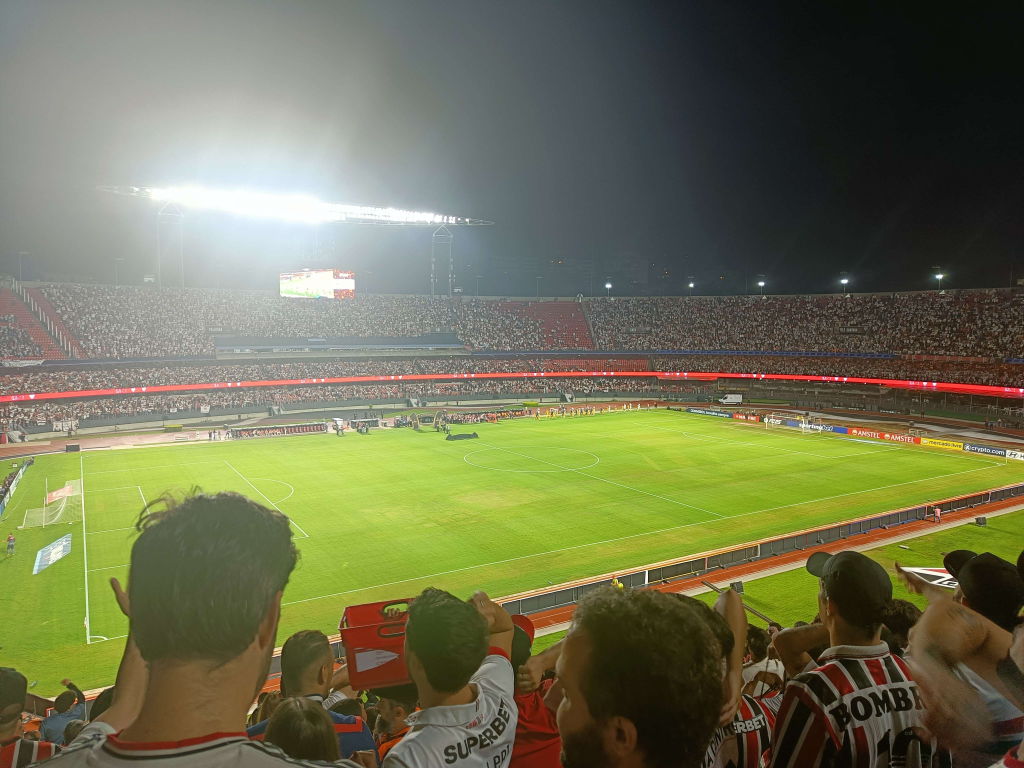
To talk about São Paulo FC without talking about Morumbi would feel incomplete. The stadium is not just where the team plays. It is one of the most iconic football stages in Brazil and one of the strongest symbols of the club’s identity.
Morumbi has the scale, the weight, and the aura that a club like São Paulo FC demands. It feels grand because it is grand, but it also feels meaningful because so much of the club’s memory lives there. The stadium carries victories, disappointments, noise, tension, celebration, and the sense that football in Brazil is never small or distant. It is lived with the full body: through voice, movement, heartbeat, and memory.
For supporters, Morumbi is part of what makes São Paulo FC feel so imposing. For visitors, it can be unforgettable. Watching a match there is not just a sports event. It is a cultural experience. It is a way of stepping directly into the emotional language of Brazilian football, where songs are louder, colors feel brighter, and every moment before kickoff seems to carry a charge in the air.
In 1960, the Cícero Pompeu de Toledo Stadium was partially inaugurated in order to increase the club’s revenue. Morumbi is so iconic that rivals frequently used the stadium for their games; Corinthians, for example, considered Morumbi their home for a long time.
That is why Morumbi matters so much. It is not simply the home of São Paulo FC. It is one of the places where the club becomes fully real.
A matchday at Morumbi feels like entering a living current of emotion. Before kickoff, the atmosphere already starts building outside and around the stadium. You see the club’s colors everywhere. You hear the rhythm of supporters gathering. You feel that special tension that football in Brazil creates so naturally: a mix of excitement, anxiety, pride, and expectation.
Then, inside, everything grows. The flags move, the chants rise, and the noise begins to echo in a way that makes the experience feel bigger than the ninety minutes to come. There is anticipation in the air, but also pressure. São Paulo FC is a club of huge expectations, and that emotional demand can be felt in the crowd. Supporters do not arrive to watch passively. They arrive to carry the team, judge the moment, celebrate intensely, and suffer intensely too.
That is what makes the experience so memorable. It is sensory and immediate. You notice the sounds first, then the movement, then the collective emotional swings that pass through the stadium with every dangerous attack, every missed chance, every disputed ball. Brazilian football does not feel sterile. It feels alive. At Morumbi, that life can feel overwhelming in the best possible way.
For a traveler or football lover, seeing São Paulo FC at home is not just about checking off a famous stadium. It is about stepping into one of Brazil’s most powerful football rituals. The match becomes part sport, part theater, part social energy, and part memory in the making. By the time the game begins, Morumbi no longer feels like just a venue. It feels like a living part of Brazil’s football culture.
The nickname Tricolor Paulista is one of the easiest and most beautiful ways to understand São Paulo FC. It sounds poetic, but its meaning is simple. “Tricolor” refers to the club’s three main colors: red, white, and black. “Paulista” connects the club to São Paulo, especially to the identity of the state and city that shaped its history.
For readers unfamiliar with Brazilian football culture, this kind of nickname is very common and very important. Clubs in Brazil are often known by color-based or regional nicknames that express both visual identity and local pride. In the case of São Paulo FC, Tricolor Paulista immediately tells you two essential things: what the club looks like and where it belongs emotionally.
The nickname also helps explain why the club’s image feels so strong. The three colors are not random decoration. They are one of the core reasons why the club is so visually memorable. And the word “Paulista” reinforces the idea that São Paulo FC is deeply tied to one of Brazil’s most powerful and influential regions. Together, the nickname creates a clear cultural entry point into the club’s identity.
So when supporters call the team Tricolor Paulista, they are saying much more than “the three-colored team.” They are invoking tradition, place, pride, and one of the most recognizable identities in Brazilian football.
One of the best ways to understand São Paulo FC is through rivalry. In Brazil, football rivalry is never just about the next match. It is about memory, pride, neighborhood feeling, city identity, and the emotional need to prove something that goes far beyond the scoreboard.
For São Paulo FC, rivalry is deeply emotional and historical. These tensions were built over decades of major matches, disputed titles, symbolic victories, painful defeats, and all the small details that supporters never forget. Rivalries shape how fans see themselves, how they see their city, and how they tell the story of their club. In a football culture as intense as Brazil’s, derby days feel like identity exams.
That is especially true in São Paulo, one of the most football-obsessed cities in the world. Here, rivalry is woven into everyday life. It appears in family conversations, office jokes, group chats, street debates, and weekend plans.
The main rivalries of São Paulo FC help define the club because each one brings a different kind of tension and meaning. Against Corinthians, the atmosphere often feels raw, massive, and socially charged, a clash that carries huge city energy and a powerful sense of collective pressure. Against Palmeiras, the rivalry often feels like a battle between two clubs with enormous tradition, ambition, and historical weight, where prestige and competitiveness collide. Against Santos, the emotion can take on yet another tone, shaped by football history, technical identity, and the legacy of two clubs deeply connected to the story of the sport in Brazil.
Not every rivalry feels the same, and that is part of what makes football in São Paulo so rich. Some derby days feel aggressive and tense from the first whistle. Others feel heavy with history, as if the past is sitting in the stands with the supporters. Some are driven by city pride, while others are sharpened by direct disputes, controversial matches, and long-running emotional scars.
Derby matches reveal the social side of football in a very clear way. The stadium atmosphere changes. The pressure rises. Every chant sounds louder, every mistake feels bigger, and every victory seems to last longer in memory. For supporters, these are not just important fixtures. They are emotional landmarks in the season.
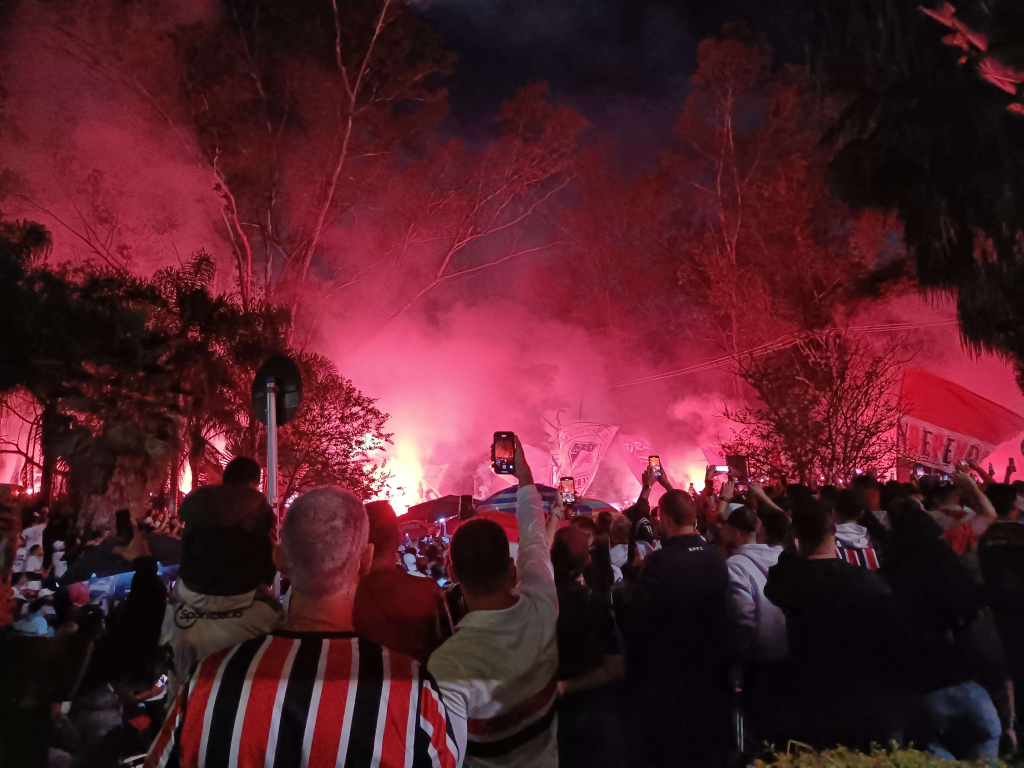
To support São Paulo FC is to inherit something heavy, emotional, and deeply alive. Like the biggest clubs in Brazil, SPFC is not followed only on matchdays. It lives in family stories, daily routines, chants, arguments, shirts, rituals, and the quiet certainty that football is part of who you are.
That is one of the most beautiful things about Brazilian football culture. The club does not stay inside the stadium. It travels home, into the street, onto the subway, into lunch conversations, weekend plans, and childhood memories.
This culture appears in many forms: in the voice of supporters singing, in the sight of red, white, and black shirts across the city, in the emotional importance of an SPFC jersey, and in the way supporters follow every high and low as if it were personal.
This is also why structures like SPFC supporter membership programs matter. They are not just membership programs. They are another expression of belonging, a way of turning passion into participation and proving that support is something active, not passive. At São Paulo FC, being a fan means more than cheering. It means carrying the club with you.
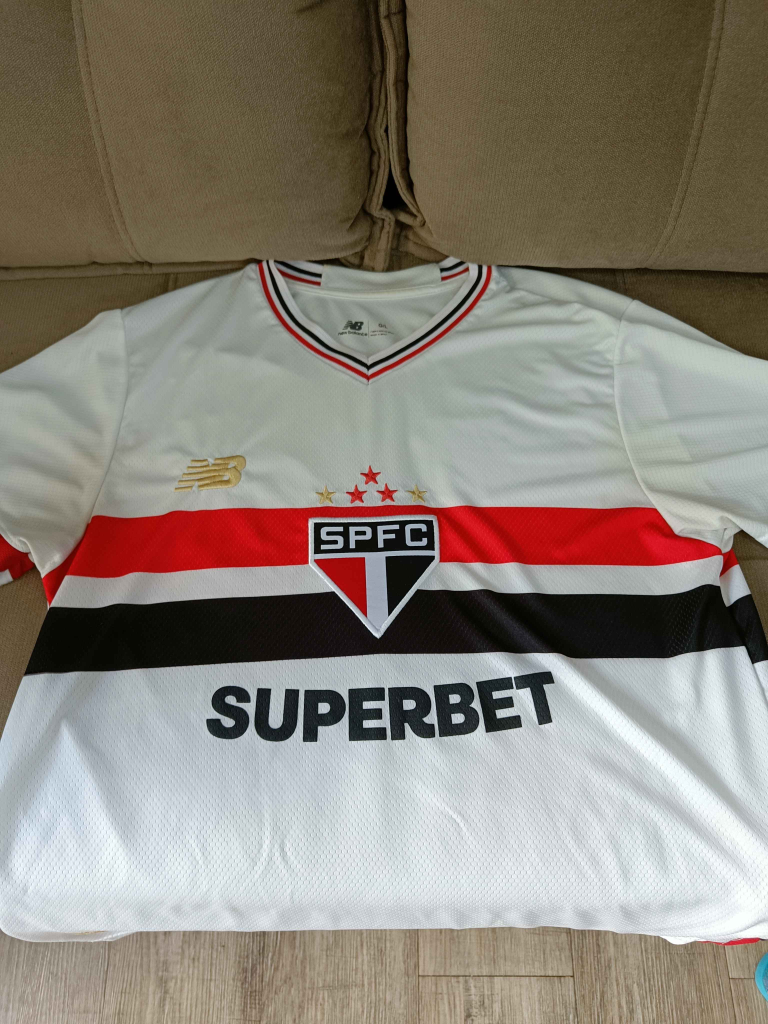
The shirt of São Paulo FC is never just a piece of merchandise. It is identity made visible. In Brazil, wearing your club’s colors says something about who you are, where your loyalties lie, and what emotional world you belong to. A São Paulo FC shirt is part of daily culture, not something reserved only for matchdays.
That is why supporters care so much about each version of the kit. The home shirt, with its classic red, white, and black presence, carries tradition and immediate recognition. The São Paulo FC away kit often brings another visual layer to that identity, while retro shirts speak directly to memory, nostalgia, and the desire to reconnect with glorious eras and beloved idols. Every variation can trigger a different feeling, but all of them still point back to the same badge and the same sense of belonging.
A fan-favorite shirt is often remembered almost like a season itself. People associate certain kits with titles, legendary players, unforgettable matches, or important periods in their own lives.
In the everyday life of Brazilian football culture, the shirt becomes a language. You wear it to show pride, to mark territory, to celebrate identity, or simply to feel closer to the club. At São Paulo FC, the shirt is one of the clearest ways supporters turn love into something visible.
There are many great clubs in Brazil, but São Paulo FC remains one of the most fascinating. It is a club of glory and memory, but also of emotion, tension, and constant reinvention. That mix is exactly what makes São Paulo FC so compelling.
To fall in love with São Paulo FC is also to fall in love with something bigger: the emotional world of Brazilian football itself. Here, football is not just a game to watch from a distance. It is identity, inheritance, noise, ritual, and feeling. It is in the chants, the shirts, the rivalries, the family stories, the stadium tension, and the sense that every badge carries an entire universe behind it.
And São Paulo FC expresses that universe beautifully. This is why the club continues to matter so much, not only to its own fans, but to anyone who wants to understand why football in Brazil feels so intense and unforgettable.
So keep exploring. Discover more football Dicas, dive deeper into Brazilian club culture, and let these stories bring you closer to the country, its people, and its passions. And if you ever get the chance to experience a real Brazilian match, especially with Morumbi singing and red, white, and black everywhere around you, you will understand something unforgettable: in Brazil, football is never just football.
Click on the links below to see more related Dicas:
Palmeiras
Corinthians
Santos F.C.
São Paulo City

Online Academic Coordinator at Rio & Learn Portuguese School.
Experienced educational coordinator and teacher since 2007, adept in curriculum development, creating physical and digital educational materials, and leveraging online platforms to enhance learning outcomes
This post is also available in:
 English
  Português (Portuguese)
  Español (Spanish)
  Français (French)





